 FirstBid
Bid it before you leave the driveway.
Walk the job like you always do: snap photos and talk it through, one voice memo or ten, no time limit, no forms. You get back an itemized estimate priced from your own price book. No book yet? The AI fills the gaps and labels every price it suggests. Check it, approve it, and text it to the customer while you’re still parked out front. Win the job, and one more tap turns that bid into your materials list.
Limited beta. No credit card, no sales call. Every request gets a reply from a person.
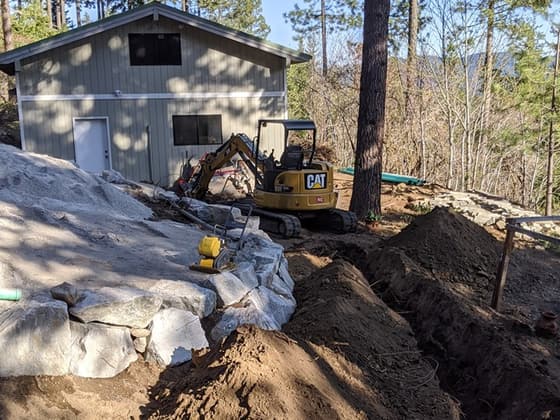
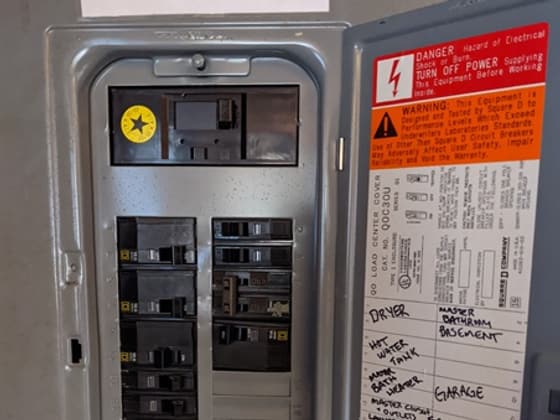
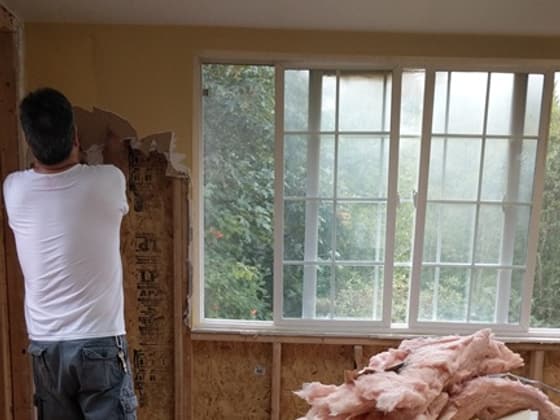
“…tear-off is eighteen and a half squares, single layer… architectural in weathered wood… haul-off included, dumpster in the driveway…”
No forms. No office night.
You already do the walk-through. That’s the whole input.
Walk it.
Snap photos as you go. Hold the mic and talk through the job the way you’d tell your lead: “panel’s in the garage, two-hundred-amp upgrade here.” A handful of photos is plenty; you don’t need a picture of every outlet.
Check it.
A couple minutes later you’ve got an itemized draft, priced from your book. Anything the AI couldn’t verify is flagged as an assumption, not buried in a number. Fix what’s wrong, sign off. Nothing goes anywhere until you approve it.
Send it.
Text the customer the proposal link. They tap once to accept. That’s the job, closed from the truck.
Photos, your prices, proof they saw it, and the buy list.
Photos and voice, read together.
Voice-only tools miss what the site looks like. Form apps miss what you said. Here your notes and photos stay in the order you captured them, so when you say “scratch the stairs,” the stairs come out of the estimate. Say the counts, show the context: a few wide shots and a close-up of anything tricky is plenty. If what you said and what the photos show don’t line up, that gets flagged for you, not guessed.
Your price book, not our averages.
Every line item matches against your items, your units, your numbers first. The AI only suggests a price when nothing of yours fits, and suggested prices are labeled AI price so you can’t miss one. Correct a price once and the app offers to save it back. The book gets sharper with every bid you send. Already have prices on paper or in a spreadsheet? Snap a photo or upload the file and the AI drafts your book from it.
Know when they open it.
Approve, and the customer gets a proposal on your letterhead: license and insurance, line items, one Accept button. You get a timestamp when they open it Viewed and a name when they accept. No PDF attachments, no “did you get my quote?” phone tag. And when a bid sits quiet, the app drafts the follow-up message for you. You read it, you send it.
From bid to buy list.
Win the job, and one tap turns the approved bid into a materials list: supply-house units, waste factored in, grouped for the counter. Check it, add what’s missing, then take it shopping on your phone or on paper. The estimate you already made becomes the parts run you were about to write by hand.
The same roof, priced and then bought.
Approve the estimate and one tap turns those line items into the supply-house run: bundles, rolls, and boxes in the units they sell, waste factored in and the math shown, grouped the way the counter thinks. Anything the AI wasn’t sure of gets a verify tag instead of a guess. Add what’s missing, check things off as they hit the cart, text the list to yourself or your crew with one tap, or print it for the truck.
Drafted from the approved lines, never a measured takeoff. You still walk the aisle.
- 63 bundles Architectural shingles, Weathered Wood18.5 sq + 10% waste = 21 sq × 3 bundles
- 3 rolls Synthetic underlayment, 10 sq roll21 sq ÷ 10 = 2.1, round up
- 2 rolls Ice & water shield, 2 sq rollverifyEaves and both valleys
- 4 bundles Hip & ridge cap72 lf ridge + hips ÷ 20 lf per bundle
- 20 pcs Drip edge, 10 ft, white196 lf eaves + rakes ÷ 10
- 3 ea Pipe boot, 1.5–3 inverifyCount from the photos, check on the roof
- 4 ea Slant-back roof vent
- 2 boxes Coil roofing nails, 1¼ in, 7,200/box~320 nails per sq × 21 sq
- 4 tubes Roof sealant, black
Draft to done, on one board.
Jobs move down one rail: Draft while you build the bid, Sent while the customer sits with it, then Accepted, In progress, Completed, and Paid when the money lands. If the customer asks for changes, the job is flagged and back in your court: fix the lines and send it out again. Scope grows mid-job? Bid the change the same way you built the job, and they accept it in one tap. Every card shows the last thing that happened and when, so you always know whose move it is.
When a job wraps, archive it. Off the board, never deleted.
The bid that looks right wins.
Homeowners compare three bids. Yours gets there first, on their phone the same evening, looking like it came from a company that has its act together: license, insurance, itemized scope, a total they can say yes to tonight. When they tap Accept, you know before your competitor has typed theirs up.
| Description | Amount |
|---|---|
| 200-amp panel upgrade, installed | $2,750 |
| Permit & inspection | $340 |
| Whole-home surge protector | $385 |
| Total | $3,475 |
An actual proposal layout: sent as a link, prints clean if they want paper.
Free while we’re in beta.
Every account starts with 10 free AI generations, no card, and you can earn more through feedback. A generation is one AI-drafted estimate or price-sheet import; edits, revisions, and sending proposals are always free. The pricing below is what we plan to launch, published now so there are no surprises later.
For bidding a couple jobs a week.
Covers a full-time bid load with room to spare.
Never think about the meter again.
Fair use applies.
No annual lock-in, ever. Run out mid-month and you can add more with one tap, never a surprise charge. Bonus credits never expire. Fair use on Max means one business's real bidding: if usage ever looks like resale, you'll hear from a person before anything changes.
Fair questions.
Is my pricing data private?
Yes. Your price book and your job data belong to your company. We don’t share them with other contractors, sell them, or use them to train anything. They’re used for exactly one thing: building your estimates.
What does it cost?
Nothing. There's no way to pay us during the beta. You start with 10 free AI generations, you can earn more through feedback, and the pricing we plan to launch is published above. Beta users get a founding-member deal before anything changes.
Does the AI ever send anything to my customer?
No. That’s enforced in the software, not just promised: a proposal can’t exist until you’ve reviewed and approved the estimate. Every number goes out with your name on it because you signed off on it.
What happens when the AI gets a number wrong?
It will, sometimes, so it’s built to under-claim instead of guess. Shaky quantities are flagged with low confidence, unverifiable stuff becomes a written assumption, and every line shows whether the price came from your book or is an AI suggestion. You’re the estimator. It’s the fast first draft.
Do I need to install anything?
No app store. It runs in your phone’s browser. Add it to your home screen and it works like an app. Photos upload in the background, and retries handle spotty job-site signal.
What trades does it work for?
All of them. There's no trade to pick and no box to check: the AI reads your price book, your photos, and your own words, so a roofer's bids come out in squares and a deck builder's in linear feet. If you do a bit of everything, it keeps up.
Your next walk-through is the demo.
Bring one job. Snap the photos, talk through the walk, and see what comes back. If it wouldn’t have won you the bid, tell us why. That’s what the beta is for.